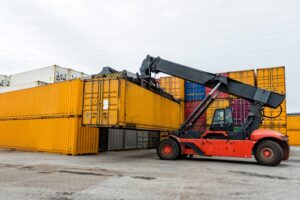

Wheel loader scales are tools for accurately weighing loads in motion, and their correct use and operation is essential for efficient material handling. This article explores the various aspects of how to use and operate wheel loader scales to ensure maximum performance and reliability.
Installation and calibration of wheel loader scales
To ensure accurate weighing, it is important that the wheel loader scale is installed correctly and calibrated regularly. This includes the correct placement of sensors and transducers as well as the adjustment of measuring equipment.
Security and safety
Safety is of utmost importance when using wheel loader scales. It is important to follow all safety regulations and use personal protective equipment when necessary. In addition, operators should be aware of the risks of overloading and understand how to avoid them.
Maintenance and service
Regular maintenance and servicing is essential to keep the wheel loader scale in good working order. This can include cleaning, as well as repair or replacement of worn or damaged components. Of course, we offer service contracts for those who want regular overhauls of the scales and training of operators.
Integration with company systems
Our wheel loader scales can be integrated with enterprise systems and software solutions to facilitate data collection, tracking and management of weighing information. This can include integration with inventory management software, ERP systems or cloud-based data management platforms.
Future updates and developments
Wheel loader scales continue to evolve with new features and technologies to meet the growing needs of material handling and industrial weighing. It is important for users to be aware of these developments and consider upgrading their equipment as necessary to take advantage of the latest features and improvements.